Shadow, reverse shadow, independent: running a mandate transfer that builds trust
A practical guide to the three phases of a GCC transition, the knowledge transfer traps to avoid, and how to prove readiness to HQ.
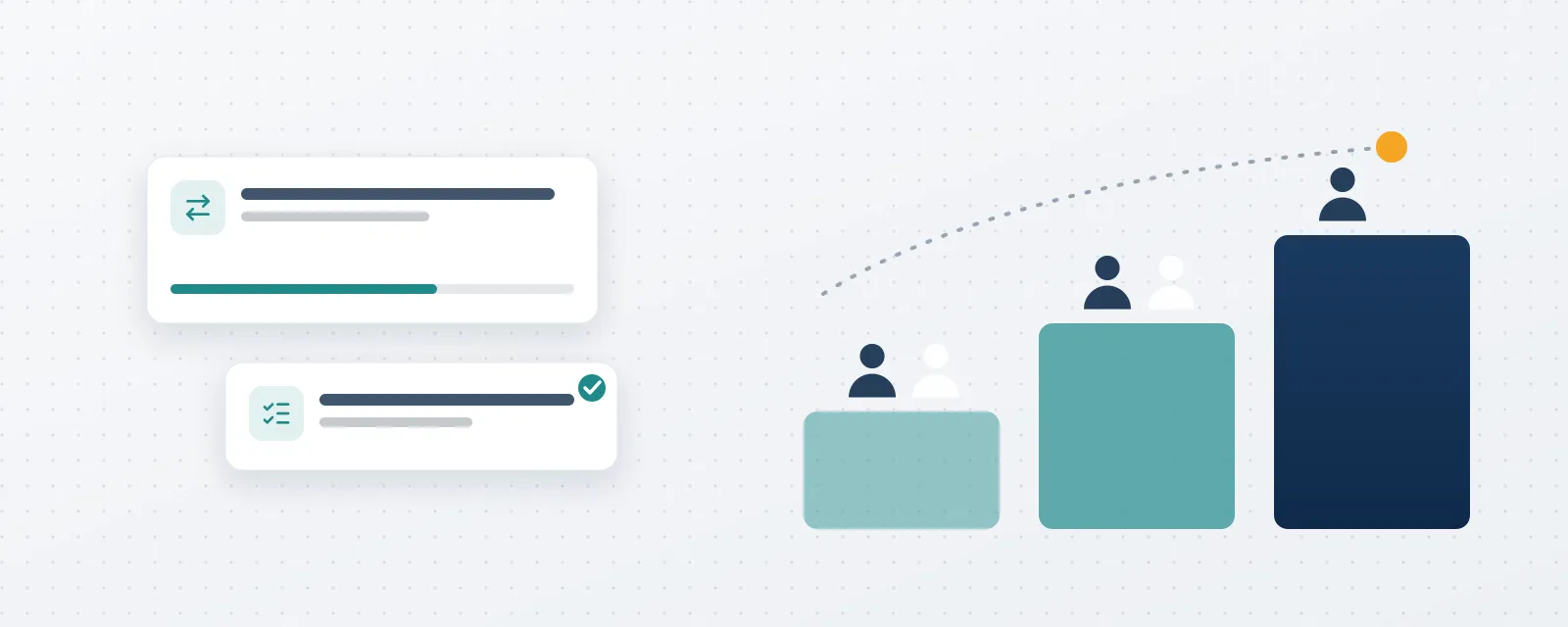
Winning a new mandate feels like the finish line. It is actually the starting gun. How the transition goes will shape HQ’s view of your centre for years, and it will decide how quickly the next mandate follows.
Most transitions follow a familiar pattern: the India team watches, then does the work while HQ watches, then runs it alone. Simple on paper. In practice, transitions slip because knowledge transfer is shallow, risks surface late and nobody agreed what “ready” means.
The three phases, and what each is really for
Each phase has a purpose beyond its name. Treating them as calendar blocks rather than learning stages is the most common mistake.
Mandate transfer phases
Phase 1
Shadow
- India team observes live work
- Captures how decisions are really made
- Builds relationships with HQ experts
Phase 2
Reverse shadow
- India team does the work, HQ observes
- Gaps surface safely
- Readiness evidence is collected
Phase 3
Independent
- India owns the work
- HQ available as a safety net
- Stability measured and reported
Shadow is about understanding, not just watching. The India team should leave this phase knowing not only what the process is, but why it is done that way, where the exceptions come from and who to call when something unusual happens.
Reverse shadow is where learning becomes visible. The India team does the work while HQ experts observe and correct. This is the safest place for mistakes to happen, so it should be long enough to cover the unusual cases, such as month-end, a release or an incident.
Independent operation starts when agreed criteria are met, not when the calendar says so. HQ remains available for a defined period, and the centre reports on stability openly.
Knowledge transfer that actually transfers
Most knowledge transfer plans focus on documents: process maps, runbooks, architecture diagrams. They are necessary, but they rarely capture the knowledge that matters most, which lives in people’s heads.
Tacit knowledge includes the judgement calls (“we always check this first”), the history (“we tried that in 2022 and it broke”), and the relationships (“ask her, not the team mailbox”). It transfers through conversation and practice, not reading.
Practical ways to capture it:
- Decision walkthroughs. Ask experts to talk through recent decisions and why they made them. Record the reasoning, not just the outcome.
- Exception logs. During shadow, log every unusual case and how it was handled. These become your best training material.
- Pairing, not presenting. An hour of working side by side transfers more than a day of slide-based sessions.
- A named buddy at HQ for each critical area, with time agreed by their manager.
Defining “ready” before you start
Transitions often stall at the end because India and HQ have different ideas of readiness. The India team thinks it is ready because it has completed the plan. HQ hesitates because it has not seen enough evidence.
The fix is to agree readiness criteria at the start, in writing, and to measure against them throughout. Good criteria are specific and observable: the team has handled a defined set of scenarios without help, service levels have held for an agreed period, and HQ experts have signed off on key areas.
Proving readiness
- 1Agree criteriaSpecific and observable
- 2Track evidenceWeekly, against criteria
- 3Report risks earlyWith mitigations
- 4Joint sign-offIndia and HQ together
Report risk honestly
It is tempting to keep status reports green. Resist it. HQ sponsors have seen enough transitions to know that problems happen. What builds their confidence is seeing problems raised early, with a clear plan to deal with them. A transition report that says “amber, and here is why and what we are doing” is far more credible than one that stays green until the week before cutover.
After cutover: protect the reputation you just built
The first weeks of independent operation are when HQ watches most closely. A spike in incidents or escalations in this period can undo months of good work.
A few practices help:
- Keep HQ experts on call for an agreed period, with a clear route for urgent questions.
- Run a short daily stand-up between India and HQ for the first few weeks, then taper it.
- Publish a stability report covering incidents, escalations and service levels, compared with the period before transition.
- Hold a retrospective with both teams. Capture what worked and turn it into a playbook for the next transition.
That last step is what turns a single successful transition into a repeatable capability. Centres that can show HQ a proven method, and a track record of using it, find the next mandate conversation much easier.
The people side of a transition
Transitions are usually planned as technical and operational projects. The human side gets less attention, and it is often where the biggest risks sit.
HQ experts may feel uncertain. The people transferring knowledge are sometimes the people whose roles will change once the work moves. Some will be enthusiastic, others anxious. Acknowledging this, involving them in planning and recognising their contribution openly makes a real difference to the quality of knowledge transfer.
The India team needs stability. Transitions put new teams under pressure. Attrition during or just after a transition is especially damaging, because knowledge leaves with the person. Staffing the team with some redundancy, cross-training critical areas and paying attention to workload helps protect the investment.
Leaders on both sides must stay visible. Regular check-ins between the India site leader and the HQ sponsor keep issues from festering. A short monthly review of progress, risks and people concerns at that level signals that the transition matters to both organisations.
Celebrate milestones. Moving from shadow to reverse shadow, and from reverse shadow to independent operation, are real achievements. Marking them, with both teams together where possible, builds the sense that this is a shared success rather than a handover.
When to slow down
Sometimes the right decision is to extend a phase. If readiness criteria are not met, or a critical expert leaves, pushing ahead to meet a date can create the kind of post-cutover problems that damage trust for years. Raising the issue early, with a revised plan, is a sign of good judgement that sponsors respect.
- #Transitions
- #Knowledge transfer
- #Mandates
- #Delivery